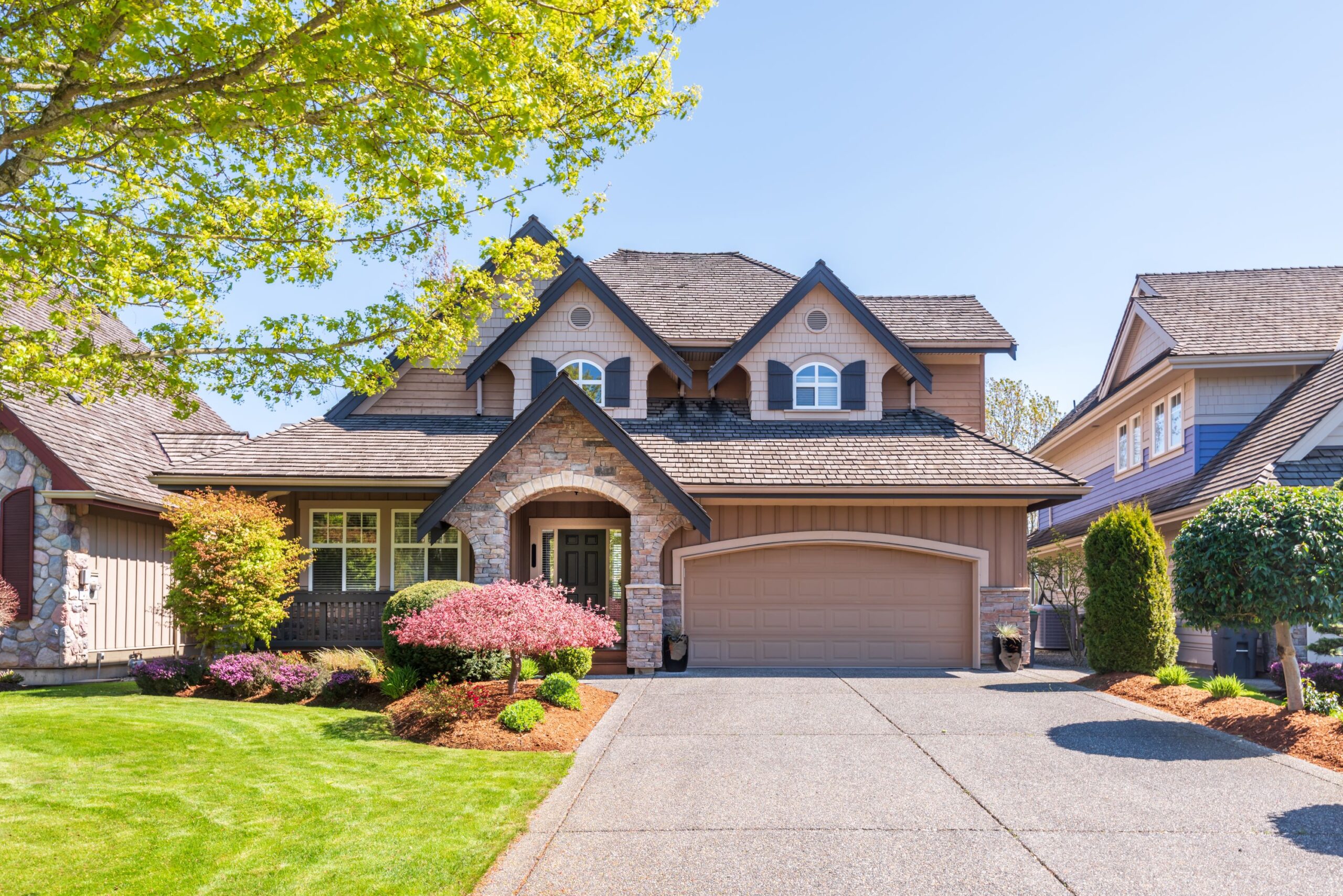
Your roof is one of the most important parts of your home. It protects your family, belongings, and the structure of your property from harsh weather, moisture, and changing temperatures. Over time, even the strongest roofing materials begin to wear out. When repairs are no longer enough, a roof replacement becomes the best long-term solution.
Replacing a roof may seem like a major investment, but it improves your home’s safety, appearance, and overall value. Understanding when and why to replace your roof can help you make the right decision before minor issues become costly problems.
Signs You Need a Roof Replacement
Many homeowners are unsure whether they need repairs or a complete roof replacement. While small problems can often be fixed, certain warning signs indicate that replacing the roof is the better option.
Some common signs include:
- Missing, cracked, or curling shingles
- Frequent roof leaks
- Water stains on ceilings or walls
- Sagging roof sections
- Moss or algae growth covering large areas
- Granules collecting in gutters
- Roof age exceeding 20 to 30 years
If your roof has multiple issues or has reached the end of its expected lifespan, replacing it can prevent ongoing repair costs and protect your home more effectively.
Benefits of a Roof Replacement
A new roof offers much more than just improved appearance. It provides long-term protection and several valuable benefits for homeowners.
Improved Home Protection
An aging roof becomes more vulnerable to wind, rain, snow, and severe weather. A roof replacement provides a strong barrier that helps prevent leaks, mold growth, and structural damage.
Better Energy Efficiency
Modern roofing materials are designed to reflect heat and improve insulation. This helps maintain indoor temperatures, reducing the workload on your heating and cooling systems and lowering energy bills.
Increased Property Value
A newly installed roof enhances curb appeal and increases your home’s market value. Potential buyers are often more confident purchasing a property with a new roof because it reduces future maintenance concerns.
Reduced Maintenance Costs
Constant roof repairs can quickly become expensive. Replacing an old roof eliminates recurring issues and provides peace of mind for many years.
Choosing the Right Roofing Material
Selecting the right roofing material is an important part of the replacement process. Each option offers unique benefits depending on your budget, climate, and design preferences.
Asphalt Shingles
Asphalt shingles remain one of the most popular roofing materials due to their affordability, durability, and wide variety of colors and styles. They offer reliable protection and are suitable for most residential homes.
Metal Roofing
Metal roofs are known for their exceptional durability and energy efficiency. They can withstand harsh weather conditions and often last 40 to 70 years with minimal maintenance.
Architectural Shingles
Architectural shingles provide a thicker, more dimensional appearance than standard shingles. They offer improved durability while enhancing the overall look of your home.
Tile and Slate Roofing
Tile and slate roofs deliver outstanding longevity and timeless beauty. Although they require a higher initial investment, they can last for decades with proper care.
A professional roofing contractor can recommend the best material based on your home’s structure, local weather conditions, and budget.
What Happens During a Roof Replacement?
Many homeowners wonder what to expect during the roof replacement process. While every project is unique, the general process includes several important steps.
Roof Inspection
The contractor begins by inspecting the existing roof to evaluate its condition and identify any underlying structural issues.
Material Selection
After discussing your preferences and budget, you’ll choose the roofing material, color, and style that best suits your home.
Removal of Old Roofing
The old shingles and roofing materials are carefully removed to expose the roof deck. This allows the contractor to inspect the underlying structure.
Repairs and Preparation
Any damaged decking or structural components are repaired before installing new underlayment and waterproof barriers.
Installation of New Roof
The new roofing system is installed using industry-approved techniques to ensure long-lasting performance and weather resistance.
Final Inspection and Cleanup
Once installation is complete, the contractor performs a final inspection and thoroughly cleans the work area, removing debris and leftover materials.
Why Professional Roof Replacement Matters
Roof replacement requires experience, proper equipment, and knowledge of roofing systems. Attempting to replace a roof without professional expertise can lead to costly mistakes and safety risks.
Experienced roofing contractors ensure:
- Proper installation techniques
- High-quality roofing materials
- Compliance with local building codes
- Manufacturer warranty protection
- Safe working practices
- Long-lasting results
Hiring professionals also saves time and helps prevent future roofing problems caused by improper installation.
How to Extend the Life of Your New Roof
Once your new roof is installed, regular maintenance helps maximize its lifespan.
Simple maintenance tips include:
- Schedule annual roof inspections.
- Clean gutters regularly.
- Remove debris from the roof surface.
- Trim overhanging tree branches.
- Address minor issues before they become major problems.
- Inspect the roof after severe storms.
Routine maintenance keeps your roof performing at its best and protects your investment for years to come.
Final Thoughts
A roof replacement is one of the most valuable improvements you can make to your home. It provides reliable protection, increases energy efficiency, enhances curb appeal, and adds lasting value to your property. While replacing a roof is a significant investment, choosing high-quality materials and experienced professionals ensures long-term performance and peace of mind.
If your roof is showing signs of aging or repeated damage, don’t wait until the problem becomes more serious. A professional roof inspection can determine whether it’s time for a replacement and help you choose the best roofing solution for your home’s needs. With the right installation and regular maintenance, your new roof will protect your family and your investment for decades to come.